Integrated Rainwater Harvesting For Cholistan Water Security
Resilience in the golden sands of southern Punjab
Sustaining life under the desert sun
Sustainable rainwater harvesting in the heart of Cholistan
Spanning 25,800 square kilometers across Bahawalpur, Bahawalnagar, and Rahim Yar Khan, the Cholistan Desert captures both the breathtaking beauty and the harsh reality of life in Pakistan’s southern plains. Here, communities endure endless stretches of golden dunes and scorching heat where summer temperatures often soar beyond 50°C, and annual rainfall rarely exceeds 200 millimeters.
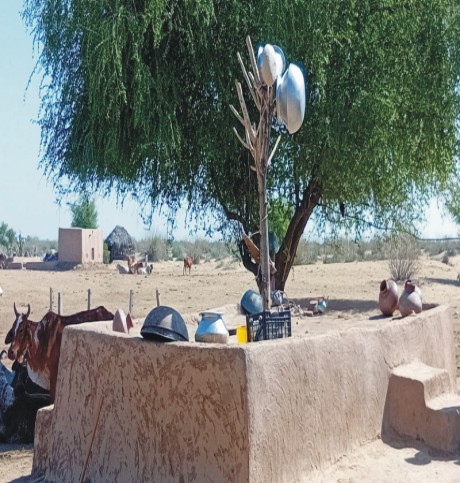
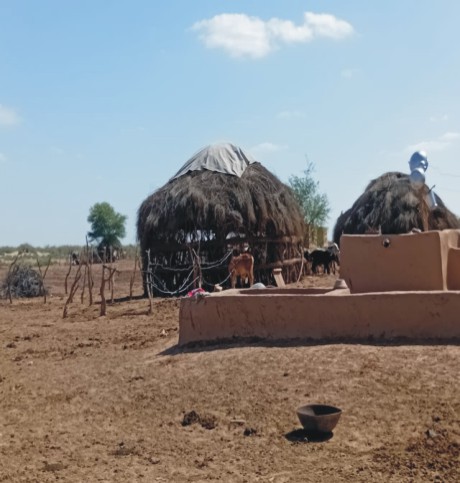
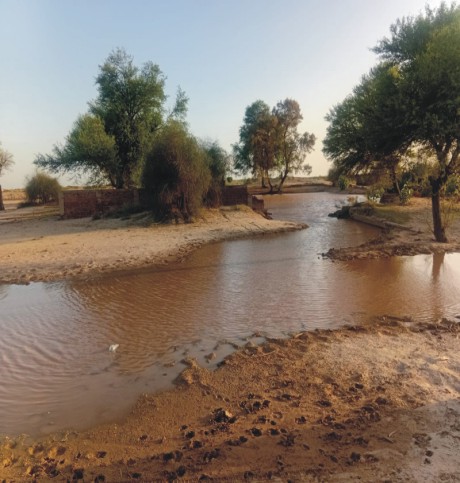
For generations, the people of Cholistan predominantly nomadic and semi-nomadic have relied on livestock for survival, migrating continuously in search of water, food, and grazing land. Today, they face an escalating water crisis. More than 1,100 traditional ponds (tobas and kunds) have dried up, while underground water has become brackish and undrinkable, forcing both humans and animals to travel long distances for every drop of usable water.
Despite their resilience and deep cultural heritage, the people of Cholistan remain on the margins of development. The region’s challenging terrain, limited infrastructure, extreme climate, and lack of health and hygiene awareness have left communities isolated and vulnerable.
The Cholistan Initiative strives to change this reality. Rooted in the national subtheme of “Sustainable Livelihoods and Resilient Communities,” the project aims to address water scarcity through innovative, community-driven solutions. By utilizing fresh groundwater reserves, promoting efficient irrigation systems, and enhancing health and hygiene education, the initiative seeks to empower local communities, improve living standards, and build long-term climate resilience.